Health and Safety Policy for Stockwell Cleaner
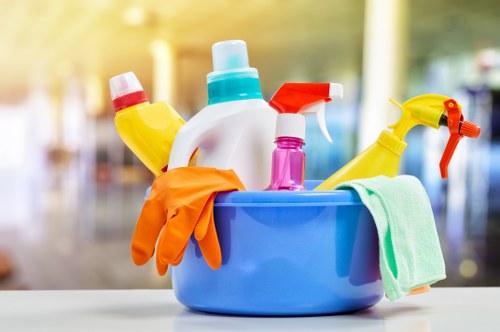 Stockwell Cleaner is committed to providing a safe, healthy, and well-managed working environment for all staff, contractors, and anyone affected by our cleaning activities. This policy sets out the standards we follow to reduce risks, support responsible working practices, and maintain consistent protection across every job. We believe that health and safety is not separate from quality; it is part of delivering a reliable and professional service.
Our approach is based on prevention, awareness, and accountability. Every cleaner, supervisor, and manager has a role in keeping tasks safe, identifying hazards early, and responding correctly when conditions change. We expect all work to be carried out with care, using suitable equipment and appropriate methods to avoid injury, contamination, and damage to property. This applies to routine cleaning, deep cleaning, and one-off specialist tasks.
At Stockwell Cleaner, safety standards are reviewed regularly so that our cleaning company remains prepared for everyday risks as well as less common situations. Good housekeeping, clear communication, and proper training are essential parts of the policy. We also recognise that a safe workplace supports better performance, reduces disruption, and protects the people who rely on our services.
Our Health and Safety Commitments
We will take all reasonably practicable steps to create and maintain safe working conditions. This includes assessing hazards before work begins, choosing suitable products and tools, and ensuring staff understand the correct procedures for each task. Where a risk cannot be removed completely, we will reduce it as far as possible through planning, supervision, and the use of protective measures.
All employees are expected to follow safe systems of work and to use equipment correctly. PPE must be worn when required, especially when handling chemicals, waste, or contaminated materials. Staff must never improvise methods that could increase risk. If a task appears unsafe, it should be paused until the issue is checked and resolved.
 We also maintain a strong focus on cleanliness standards that protect health. Surfaces, tools, and reusable items must be cleaned and stored correctly after use. Contaminated materials should be handled carefully to prevent cross-contamination. When working in shared spaces, cleaners should respect the presence of building users and ensure floors, cords, and equipment do not create unnecessary hazards.
Training, Supervision, and Safe Practice
Training is central to our policy. Every member of the cleaning team receives instruction on hazard recognition, correct product use, manual handling, emergency response, and safe operation of equipment. Training is reinforced through supervision and refreshers, particularly when new procedures, materials, or machines are introduced. We expect competence to be demonstrated before staff work independently on higher-risk tasks.
Supervisors are responsible for checking that standards are followed in practice. They should confirm that equipment is in good condition, storage areas are orderly, and working methods remain suitable for the site and task. Any gaps in knowledge, unsafe behaviour, or repeated mistakes must be corrected quickly. A culture of improvement is essential, and staff are encouraged to ask questions whenever uncertainty arises.
Handling Chemicals and Equipment
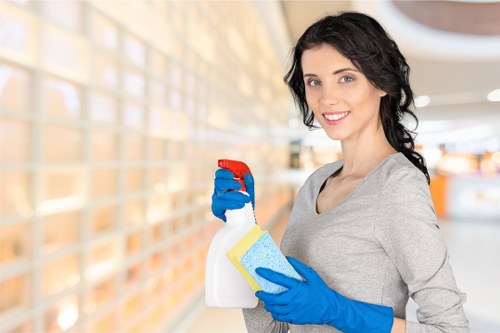 Cleaning products must be used exactly as directed. Labels, dilution instructions, and safety data should always be followed. Chemical containers must never be decanted into unmarked bottles, and incompatible substances should not be mixed. Ventilation should be maintained where necessary, and spills must be dealt with immediately using the proper procedure. Equipment such as vacuums, steam machines, and floor tools must be inspected regularly and taken out of service if damaged.
Risk Assessment and Incident Control
Risk assessment is a practical part of every assignment. Before work starts, we consider the environment, the task, the materials involved, and the people who may be affected. The assessment helps us decide whether additional controls are needed, such as warning signs, restricted access, extra supervision, or modified working times. Our aim is to reduce avoidable risk without compromising the quality of service.
If an incident occurs, it must be reported promptly so that action can be taken. This includes near misses, injuries, chemical exposure, slips, trips, equipment failure, and any event that could have caused harm. Reporting helps us identify patterns and improve future practice. Serious incidents will be reviewed carefully, and corrective measures will be introduced where needed.
 In the event of an emergency, staff should follow the relevant procedure, which may include stopping work, isolating hazards, alerting others, and seeking assistance. Cleaners must remain calm, avoid taking unnecessary risks, and cooperate with instructions from supervisors or emergency responders. Emergency exits, fire points, and access routes should always be kept clear while work is in progress.
Workplace Welfare and Responsibility
We recognise that physical safety and personal wellbeing are closely connected. Fatigue, stress, and poor organisation can increase the chance of accidents, so staffing levels, scheduling, and workload must be managed responsibly. Staff should be given sufficient time to complete tasks safely and should not be pressured to skip essential steps. A healthy working environment includes respect, fairness, and clear expectations.
Manual handling is another important area of focus. Where possible, heavy lifting should be avoided through the use of suitable tools or team handling. Workers must use correct posture and take care when moving supplies, waste bags, or equipment. Repetitive tasks should be carried out with awareness of strain and the need for short breaks where appropriate.
We also expect proper hygiene and infection control at all times. Hands should be cleaned before and after tasks where necessary, especially after contact with waste or contaminated surfaces. Protective clothing should be used appropriately and removed safely after use. These measures help protect both staff and the people who occupy the premises.
Monitoring and Continuous Improvement
 This policy is reviewed regularly to ensure it remains effective, current, and suitable for our operations. We will update procedures when risks change, when new equipment is introduced, or when lessons from incidents show that improvements are needed. Health and safety performance is monitored through checks, supervision, and feedback from internal reporting systems.
Stockwell Cleaner expects everyone involved in our services to support this policy and work in line with its principles. Safety is a shared responsibility, and it depends on consistent habits, careful planning, and attention to detail. By maintaining high standards and responding quickly to concerns, we help create a safer environment for staff, clients, and all others affected by our work.
This policy applies to all cleaning activities carried out under the name Stockwell Cleaner and forms part of our commitment to professional, responsible, and safe service delivery.