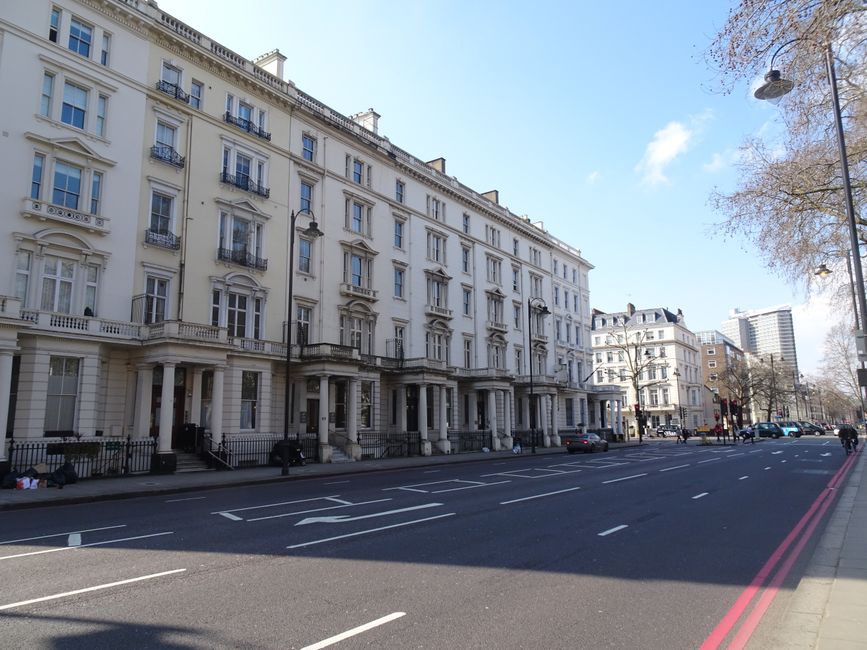
Stockwell Road flat cleaning for fast move out
If you are trying to hand back a flat on Stockwell Road quickly, cleaning suddenly becomes the thing that eats your evening, your weekend, and a surprising amount of patience. Stockwell Road flat cleaning for fast move out is not just about making a place look tidy. It is about getting the flat into a condition that helps the move go smoothly, reduces last-minute stress, and gives you a better chance of leaving on good terms with a landlord, agent, or new owner. In a busy London move, that matters more than most people expect.
This guide walks you through what fast move-out cleaning actually involves, what to prioritise when time is short, and how to avoid the common mistakes that cost people time. You will also find a checklist, a practical comparison table, and a few real-world tips that are easy to use even when the van is outside and the keys are due back by 4pm. Let's make it manageable.
Why Stockwell Road flat cleaning for fast move out matters
Fast move-out cleaning is different from a normal weekly tidy-up. When you are leaving a flat on Stockwell Road, the goal is usually to clear the property, clean it thoroughly enough for inspection, and do it in a short window. That means the usual "I'll get to it later" approach tends to backfire. You notice the skirting boards at the very end. The oven door, too. And somehow the bathroom mirror looks worse at 8:45pm than it did all month.
There are a few reasons this cleaning stage matters so much. First, tenants often need the flat ready for handover, and a rushed clean can leave visible residue, limescale, grease, or dust in places that are easy to miss but easy to spot during a check-out. Second, if you are trying to secure deposit return, presentation counts. No one can promise the result, of course, but a properly planned move-out clean gives you a much stronger starting point than a hurried surface wipe.
Third, Stockwell Road homes are often compact, busy, and lived in hard. In smaller flats, clutter and dust build up fast because there is less space for mess to disappear into. That makes targeted cleaning more effective than trying to clean everything equally. The trick is to focus on the parts that truly influence the final inspection: kitchen, bathroom, floors, visible surfaces, and any stains or odours that linger.
If you are moving from one place straight into another, a flat cleaning plan can also protect your sanity. Truth be told, moving day already has enough chaos: boxes, lift timing, parking, lost packing tape, the lot. Cleaning should not be the bit that derails everything.
Expert summary: For a fast move out, prioritise inspection-critical areas first, then move to detail cleaning. A methodical approach usually beats frantic whole-flat scrubbing at the end of the day.
How Stockwell Road flat cleaning for fast move out works
The best way to think about move-out cleaning is as a sequence, not a single task. You start with the biggest visual wins, then work into the stubborn details. That is especially useful when you are on a deadline. A professional-style clean typically follows a practical order: de-clutter, dust, degrease, scrub, polish, then finish with floors and final checks.
In a flat cleaning for fast move out job, the kitchen usually comes first. It is the most labour-heavy room and the one most likely to contain baked-on residue, crumbs, sink marks, and appliance grime. Bathrooms are next because limescale, soap scum, and damp spots tend to show clearly under bright light. After that come living areas and bedrooms, where dust, marks on surfaces, and floor condition matter most.
Speed does not mean cutting corners. It means being selective. A good move-out clean on Stockwell Road should target the fixtures and features that a landlord or agent will actually notice: extractor fans, taps, handles, splashbacks, appliance fronts, inside cupboards, shelving edges, window ledges, and the floor around traffic paths. It also helps to clean from top to bottom so you are not dropping dust onto areas you already finished. Simple, yes. But you would be surprised how often people clean the floor first and then wonder why it looks dusty again thirty minutes later.
Many people also underestimate preparation. Before scrubbing starts, you need the flat empty or as empty as possible, rubbish removed, and cleaning materials ready. If you are still moving boxes while cleaning, the process slows down fast. A move-out clean works best when it has space to breathe, even if that space is only a one-bedroom flat with a hallway that somehow holds three coats, a shoe rack, and half the contents of a kitchen drawer.
Key benefits and practical advantages
There is a practical side to good move-out cleaning that goes beyond appearances. When done well, it can save time during the final walk-through, reduce awkward conversations, and make it easier to hand the property back without a last-minute scramble. That alone is worth a lot when you are already dealing with removals, utility changes, and the emotional weirdness of leaving a place you have lived in for years.
- Better first impression: A clean flat looks cared for, even if you are leaving in a hurry.
- Less risk of re-clean requests: The more thoroughly you clean upfront, the less likely you are to be asked to revisit details after the inspection.
- More efficient handover: Clear surfaces and clean floors make checkout faster and simpler.
- Reduced stress: A plan gives you control over a day that can easily feel messy and rushed.
- Helps with hard-to-clean areas: Tackling the oven, bathroom limescale, and carpet spots properly can make a noticeable difference.
There is also a psychological benefit that people rarely mention. A proper move-out clean gives closure. It sounds a bit sentimental, maybe, but a clean flat can make the final lock-up feel tidy rather than chaotic. You shut the door, take one last look, and know you have done your part. That is a decent feeling on a stressful day.
If you need extra support for stubborn areas, services such as deep cleaning or end of tenancy cleaning can help when the property needs more than a light refresh. For carpets that have picked up traffic marks or pet odour, it may also make sense to look at steam carpet cleaning or pet stain and odour removal.
Who this is for and when it makes sense
Not every move-out requires the same level of cleaning. If you have barely lived in the flat, or have kept up with regular cleaning, you may only need a focused final clean. But for many Stockwell Road renters, a full-speed move-out clean is the sensible choice. Small flats accumulate grime faster than people think, especially around kitchens, bathrooms, heaters, window frames, and flooring near the front door.
This approach makes sense if you are:
- leaving a rented flat and want to leave it inspection-ready
- moving out on a tight deadline
- combining packing, removals, and cleaning into one day
- dealing with visible grease, limescale, dust, or spot stains
- preparing a property for re-let, sale, or new occupancy
- helping a family member move and need a structured plan
It is also a good option if the flat has not had a proper deep clean in a while. A one-off clean may be enough for lighter jobs, while a more intensive move-out clean works better if the place needs extra attention. If you live in a building with shared halls, lifts, or entry areas, keeping those routes clean on the way out is just polite, and it helps avoid dragging dirt back through freshly cleaned rooms. A simple communal area cleaning service can be useful in some buildings where access routes matter.
On the other hand, if you are moving into another property, it can be smart to line up a move-in cleaning service for the new place as well. Nobody wants to unpack into dust, stale smells, or leftover crumbs from the last occupant. Not exactly a warm welcome.
Step-by-step guidance
When time is short, the easiest way to lose momentum is to clean randomly. So here is a simple sequence that works well for a fast move-out on Stockwell Road.
- Clear out belongings and rubbish first. The flatter the space, the faster the clean. Remove bags, food, toiletries, and stray bits from shelves and cupboards.
- Open windows where possible. Fresh air helps with odours and makes the rooms feel less heavy while you work.
- Start high and dry. Dust tops of cupboards, shelves, ledges, light fittings, and frames before touching damp surfaces.
- Move into the kitchen. Degrease hobs, splashbacks, extractor areas, cupboard doors, handles, sink, taps, and appliance fronts. If the oven is poor, do that separately and thoroughly.
- Deal with the bathroom. Focus on limescale, grout, taps, shower screens, toilet base, mirror, and any soap residue.
- Clean living areas and bedrooms. Wipe surfaces, remove marks where possible, vacuum edges, and check skirting boards and corners.
- Finish floors last. Vacuum first, then mop hard floors or steam-clean carpets as needed.
- Do a final inspection pass. Look at the flat as if you were the person receiving the keys. What stands out immediately?
For a lot of people, the kitchen and bathroom take 70% of the effort. That is normal. They are the rooms where grime is most visible and where time can disappear quickly. If the oven is bad enough to make you hesitate before opening the door, it is probably the first thing to handle or assign to a specialist oven cleaning service.
One practical tip: clean in zones, not by emotion. That is to say, finish one area before starting another. It stops half-done jobs from spreading across the flat. Also, keep a small cloth for touch-ups in your pocket or waistband. You will use it more than you think.
Expert tips for better results
Here is where the details make a real difference. Small improvements compound quickly in move-out cleaning, especially if the inspection is happening soon after you leave.
- Work from least dirty to most dirty within each room. It keeps cloths usable for longer and reduces rework.
- Use the right cloth for the right surface. Microfibre cloths are great for dust and polish. Firmer pads help on tougher kitchen residue, but go gently on delicate finishes.
- Do not ignore smells. Fresh air, bins emptied, and fabrics refreshed matter as much as visible cleanliness.
- Spot-treat stains early. The longer a mark sits, the more it settles into carpet or upholstery fibres.
- Check the places people forget: behind radiators, under sinks, around handles, along skirting boards, and inside cupboard edges.
- Photograph problem spots before and after. If you are managing the move remotely or sharing responsibility, this can help keep everyone on the same page.
If there are fabric items that have absorbed a lot of day-to-day use, it may be worth considering upholstery cleaning, sofa cleaning, or curtain cleaning. Curtains and sofas can quietly hold cooking smells and dust, and once you notice it, you cannot un-notice it. Happens all the time.
Another useful habit is to leave final floor cleaning until the very end, after all boxes are out. Floors collect grit from constant movement, and cleaning too early is basically asking for a second round. To be fair, many move-out headaches come from cleaning in the wrong order, not from lack of effort.
Common mistakes to avoid
Fast move-out cleaning goes wrong in pretty predictable ways. The good news is that most of them are easy to avoid if you know what to look for.
- Starting too late: If you leave everything until the final morning, you will almost always miss details.
- Cleaning before decluttering: This slows everything down and makes surfaces harder to reach.
- Using too much product: More cleaner is not always better. Excess residue can leave surfaces sticky or streaky.
- Forgetting hidden grime: Inside cupboards, around taps, and on top of doors are common inspection points.
- Ignoring carpets and upholstery: Visible marks, pet smells, and flattened traffic areas can drag the whole flat down.
- Not testing stain methods carefully: A rushed scrub can spread a mark or damage a finish.
A particularly common slip is cleaning around furniture instead of moving it. If you are leaving the property, that does not help much. The dirt under the bed is still there, even if nobody saw it during the week. Same with the back of the toilet. Slightly unpleasant, yes, but true.
Another mistake is assuming a surface-only clean is enough for a fast move out. In a compact London flat, what you miss tends to show more, not less. A few crumbs in a big house can go unnoticed; in a one-bed flat, they look like evidence.
Tools, resources and recommendations
You do not need a warehouse full of kit to clean well, but the right tools will save time. For a fast move-out, keep the setup simple and effective.
- microfibre cloths for dusting and polishing
- a vacuum with attachments for corners, edges, and upholstery
- a mop suitable for hard flooring
- a non-abrasive scrub pad for bathroom and kitchen residue
- glass cloths for mirrors and windows
- bin bags for rubbish, recycling, and unwanted items
- basic degreaser, bathroom cleaner, and limescale remover
If the flat includes hard floors that have dulled or picked up marks, hard floor cleaning can be more effective than a quick mop alone. For carpets with traffic wear, carpet cleaning or steam carpet cleaning may restore a more presentable finish. And if windows are streaky enough to catch the afternoon light in all the wrong ways, window cleaning is often one of the quickest visual upgrades you can make.
In some cases, people also need extra support with leftovers, broken furniture, or bulky waste. A house clearance style service may be useful where the flat has more than cleaning to handle. If the move-out happened after renovation, then the post-work dust may call for after builders cleaning rather than a standard clean.
For planning and budgeting, the pricing and quotes page is a sensible place to check what is typically included. And if you want a sense of who is behind the work, about us can help you assess the company's approach before you book. Small thing, but it matters.
Law, compliance, standards, or best practice
For a move-out clean in the UK, the most important thing is not memorising legislation; it is understanding the practical expectations around cleanliness, access, safety, and handover. Tenancy agreements and inventory reports often drive what "clean" means in real life. That is why move-out cleaning should be measured against the condition of the property at the start of the tenancy, fair wear and tear, and any agreed responsibilities in the contract.
It is also wise to follow sensible health and safety habits. That includes ventilating rooms when using cleaning products, avoiding product mixing, reading labels carefully, and using gloves where needed. Wet floors should be marked or treated carefully to reduce slips, especially if you are moving in and out with boxes. A rushed clean on shiny flooring is one of those tiny risks people underestimate until they nearly slide in socks. Annoying, but common.
For peace of mind, service providers should ideally be clear about safety practices, insurance, and what happens if something is damaged or missed. Pages such as insurance and safety, health and safety policy, and terms and conditions help you understand those expectations before you book. If you care about how a company handles customer information or payments, the relevant policies like privacy policy and payment and security are worth a quick look too.
For tenants, the best practice is simple: photograph the property before and after, keep records of any agreed cleaning scope, and communicate early if access times are tight. If the property includes shared spaces, be considerate with noise and timings. Stockwell Road can be a busy stretch, and nobody wants a cleaning trolley blocking a hallway at the exact wrong moment.
Options, methods, or comparison table
There is no single right way to handle fast move-out cleaning. The best option depends on the size of the flat, how dirty it is, and how much time you have. Here is a simple comparison that may help.
| Method | Best for | Strengths | Limitations |
|---|---|---|---|
| DIY speed clean | Small flats, lighter mess, plenty of time already set aside | Lowest direct cost, flexible, quick for basic touch-ups | Easy to miss hidden dirt, tiring on moving day |
| DIY deep clean | Moderately used flats, tenants who are organised and prepared | Better finish, more control over details | Time-heavy, can be stressful if you are also packing |
| Professional move-out clean | Short deadlines, stubborn grime, higher inspection pressure | Efficient, structured, stronger finish on problem areas | Additional cost, needs good access planning |
There is also a hybrid route, which is often the smartest. You handle the declutter, bagging, and light clearing; a cleaner handles the detailed work. That can be a good balance when you are trying to keep costs sensible but still want a strong end result. If carpets, rugs, mattresses, or upholstery are the sticking point, targeted services such as mattress cleaning and rug cleaning can be more efficient than trying to tackle everything manually.
For shared blocks or managed buildings, the layout of the property matters too. A flat on Stockwell Road with narrow access, stairs, or limited parking may benefit from a more compact cleaning plan. Sometimes the best clean is not the fanciest one. It is the one that actually gets done on time.
Case study or real-world example
Here is a realistic example from the kind of move-out scenario people often face. A one-bedroom flat on Stockwell Road needed to be handed back the same afternoon the removals team arrived. The tenant had packed most belongings the night before, but the kitchen had grease around the hob, the bathroom had limescale on the taps, and the lounge carpet showed traffic marks near the sofa.
Rather than trying to clean every room at once, the tenant split the job into zones. First came rubbish and box removal. Then the kitchen was tackled with degreasing focus: hob, splashback, extractor area, sink, cupboard fronts, and the oven door. After that, the bathroom got a proper limescale pass. Finally, the carpet was vacuumed twice and spot-treated, with special attention to the edge near the skirting board where dust had collected for months. Nothing dramatic. Just disciplined, practical cleaning.
The result was not perfection in a glossy magazine sense, but it was tidy, presentable, and inspection-ready. The key point is that the person avoided trying to do everything in one messy sweep. They worked in the right order and left enough time for a final look around. That final pause matters. One minute standing in the doorway, looking at the room with fresh eyes, can catch five little things you would otherwise miss.
If the flat had also contained a heavily used sofa or fabric chair, a service like sofa cleaning or upholstery cleaning would have been the obvious next step. Small stains, old drink marks, and odours often become the last barrier to a satisfying handover.
Practical checklist
Use this checklist as a final sweep before you hand the keys back.
- all belongings removed or packed
- rubbish and recycling taken out
- cupboards emptied and wiped
- kitchen surfaces degreased
- oven checked and cleaned if required
- bathroom taps, mirrors, and shower areas cleaned
- toilet, sink, and bath or shower descaled
- windows, sills, and ledges wiped
- dust removed from skirting boards and corners
- floors vacuumed and mopped or steam-cleaned where needed
- carpets checked for marks and odours
- soft furnishings refreshed if necessary
- light switches, handles, and touch points wiped
- final walk-through completed in good daylight if possible
Quick reminder: If you spot a problem area late in the process, do not panic. Pick the one or two visible issues that matter most and finish them properly. That is often better than spreading your energy thin and leaving three things half done.
Conclusion
Stockwell Road flat cleaning for fast move out is really about smart sequencing, not heroic effort. Clear the space, focus on the rooms that matter most, tackle hidden grime, and leave enough time for a final inspection pass. When you do that, the whole move feels less frantic and much more under control.
For some people, a careful DIY approach is enough. For others, especially when time is tight or the property needs a stronger finish, a professional clean makes more sense. Either way, the main thing is to start early, stay methodical, and give the flat the kind of attention that avoids awkward surprises at the end. That little bit of structure saves a lot of stress.
Get a free quote today and see how much you can save.
And if you are standing in an almost-empty flat wondering where the week went, take a breath. One room at a time, you will get there.
Frequently Asked Questions
What does Stockwell Road flat cleaning for fast move out usually include?
It usually includes a full clean of the main living areas, kitchen, bathroom, floors, surfaces, cupboards, and any visible marks or stains that could affect the handover. The exact scope depends on the flat's condition and the time available.
How long does a fast move-out clean take?
That depends on the size of the flat, how much clutter is left, and how dirty the property is. A small flat can sometimes be turned around quickly, but if the kitchen, bathroom, or carpets need extra attention, it will take longer than people expect.
Should I clean before or after packing?
After packing is usually easier. Cleaning around boxes slows you down and makes it harder to reach corners, shelves, and floors. If possible, clear the flat first, then clean room by room.
Is an oven clean really necessary when moving out?
Often, yes. The oven is one of the most inspected items in a move-out clean because grease and baked-on residue stand out immediately. If it is in poor condition, a dedicated oven clean is usually worth it.
Can I do the move-out clean myself?
Yes, if the flat is in reasonable condition and you have enough time. The key is to be organised and realistic. If the property is heavily used or the deadline is tight, professional help may be the less stressful choice.
What are the most commonly missed areas?
People often forget the tops of cupboards, behind appliances, skirting boards, inside drawers, light switches, window ledges, and the edges of carpets. These small spots add up more than you might think.
Do carpets need special treatment before I move out?
If there are stains, traffic marks, or odours, yes. Vacuuming alone may not be enough. Depending on the condition, carpet cleaning or steam cleaning can help the flat look much better at handover.
What if there are stains on sofas, rugs, or mattresses?
Those items can hold onto dirt and smells even when the rest of the room looks clean. Targeted cleaning for upholstery, rugs, or mattresses may be useful if they are part of the inspection or remain in the property.
How can I make a fast move-out clean less stressful?
Start with decluttering, work in zones, keep your products and cloths ready before you begin, and save floors for last. A clear plan makes the job feel smaller and helps you stay calm, even when the day gets noisy and a bit mad.
Is there a difference between move-out cleaning and end of tenancy cleaning?
In everyday use, the terms are often very similar. End of tenancy cleaning usually refers to a more detailed clean tied to rental handover expectations, while move-out cleaning can be a broader term. In practice, both aim for a property that is ready to be handed back in good condition.
What if I need the flat cleaned quickly because the move got delayed?
That happens more than people admit. If the timing changes, focus on the highest-impact areas first: kitchen, bathroom, floors, and visible surfaces. If needed, a one-off or more intensive service can help you recover from the delay without turning the day into a total scramble.
How do I know whether I need a deep clean or a lighter clean?
If the flat has built-up grime, stale odours, stubborn marks, or hasn't been properly cleaned in a while, a deep clean is usually the safer choice. If it has been well maintained, a lighter but well-organised move-out clean may be enough.